
STOCKSCH 290SP
3 credits Summer semester I, Online
Instructor: Renee Ciulla Contact: rciulla@umass.edu
No Required Textbook

“Seed is not just the source of life. It is the very foundation of our being.” –Vandana Shiva
Course Overview: This course is designed for students who are curious about where their seed comes from and what it might look like to save their own. You need not be a gardener or a farmer to find joy and fascination in the world of seeds. Through course videos, lectures, readings and photos we will explore what is involved with producing successful vegetable and flower seed crops as well as considerations with processing the seed. It is empowering and eye-opening to gain seed production knowledge and understand the intricacies involved.

“When you control seed, you control food.” –Vandana Shiva

“We tend to look at a rack of packets in the store and say, ‘Oh, that looks cool,’ without thinking of the footprint of the seed,” says Sara McCamant, a seed expert in CA. “If it’s not organic, then it’s been grown with tons of chemicals—seeds don’t have the same rules as food crops. They’ve been in the ground much longer and double-dosed with chemicals and you really don’t know where they’re coming from. If conventional, then likely the international market and typically from Monsanto/Bayer, which owns one of the biggest vegetable seed companies in the world. People don’t realize seed has its own footprint.”
Week One
- State of Global Seed
- Why Save Seed (either at garden or farm scale)
- Organic vs Conventional Seed
- OP vs Hybrid Considerations
- Intellectual Property Rights and Seeds
- What are Annual and Biennial Seed Crops?
- –Vernalization of biennials in storage
- Isolation Distances and Cross-Pollination considerations
- Wet & Dry Seeded Crops (review basics)
- Common Seedborne Diseases
- Regional and Climatic Considerations in Seed Saving
- Choosing Your First Seed Crops
Week Two
1. Important considerations for incorporating seed production into a vegetable operation
- Crop Planning for Seed Production (what’s a good fit for your farm?)
- Reducing humidity, dedicated seed blocks, located with long-season crops, spacing, weeding, trellising, covered spaces, etc
- Balancing additional time of seed work on a farm
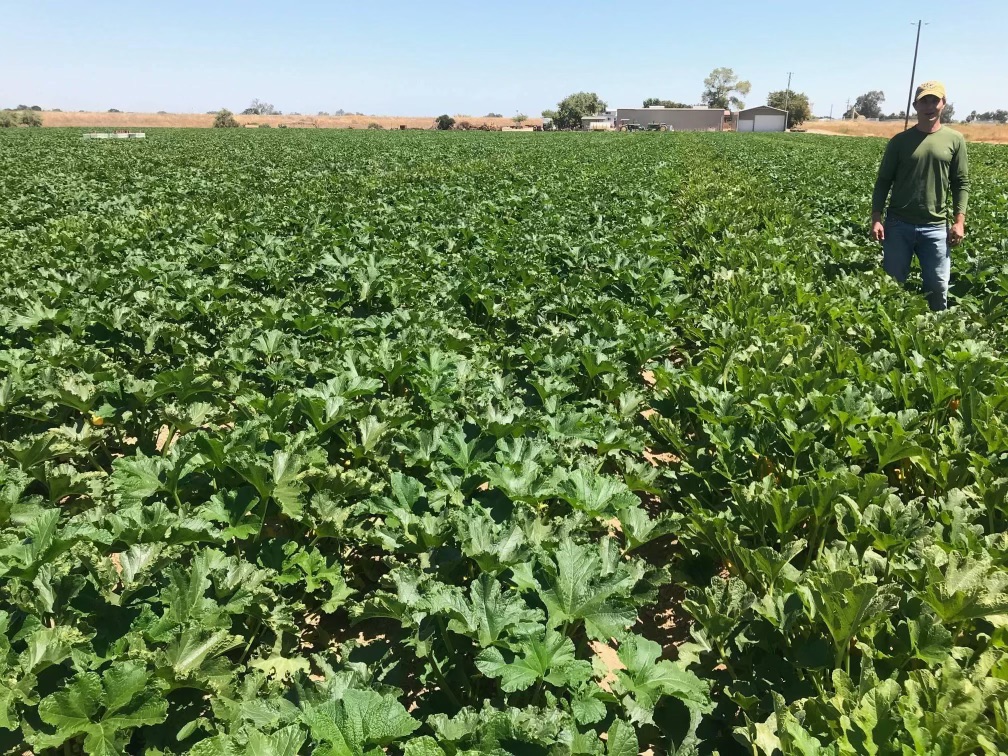
2. Growing Fruiting Vegetables for Seed
- Tomatoes, cucumbers, peppers, squash, melons, eggplant, beans, peas and okra
- Seed yield considerations, OP availability, growing the seed crops, harvest time visual indications, managing cross-pollination and seed extraction
- Fermentation, threshing, winnowing and sieving
- Relevant processing equipment for fruiting seed crops
Week Three
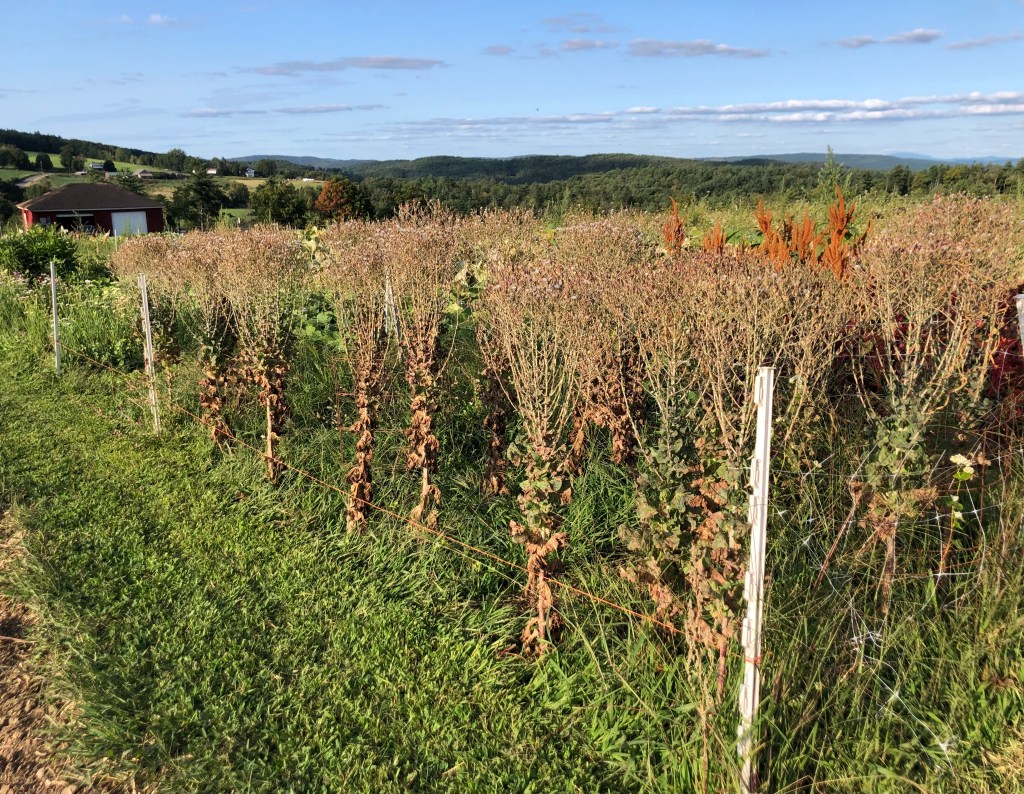
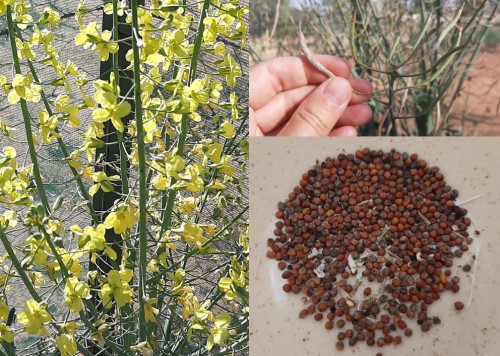
1. Growing Leafy Greens for Seed
- Lettuce, brassica greens (arugula, kale, mustards, tatsoi, collards, etc), spinach, dill, cilantro, Swiss chard, escarole, and radicchio
- Seed yield considerations, OP availability, growing the seed crops, harvest time indications, managing cross-pollination and seed extraction
- Seed cleaning equipment, tools and tips for these types of seed crops
- Seed-screen sizing
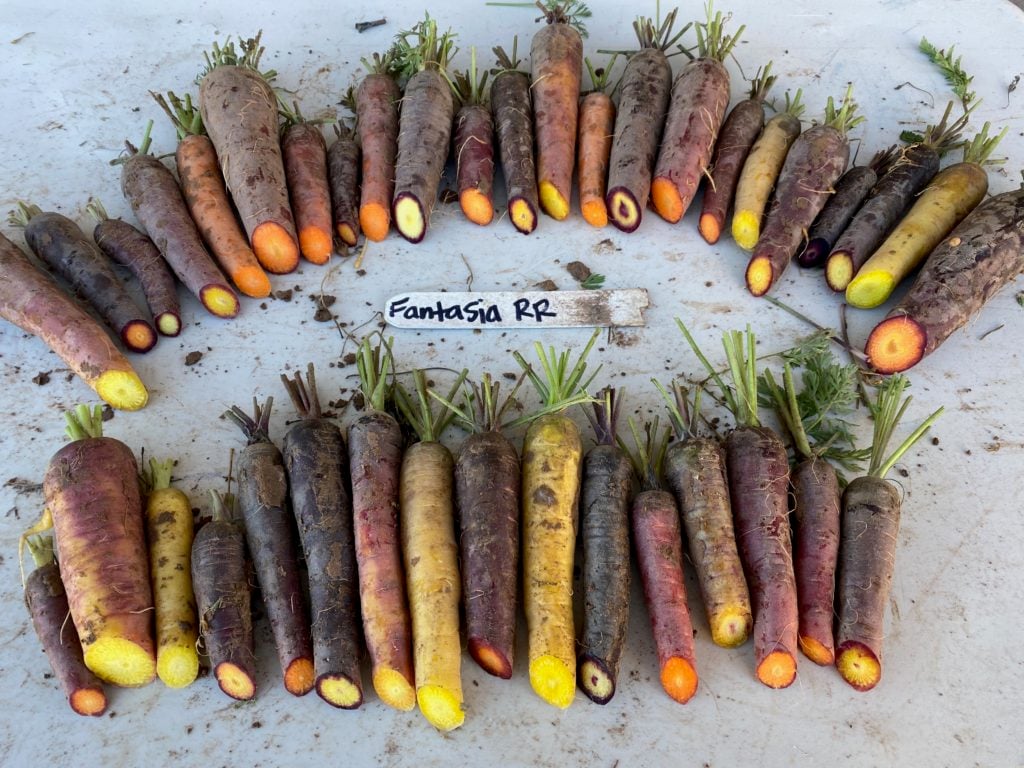
2. Growing “Roots” for Seed
- Radishes, Onions, Turnips, Beets, Carrots and Rutabaga
- Seed yield considerations, OP availability, growing the seed crops, harvest time indications, managing cross-pollination and seed extraction
- Seed cleaning equipment and processing tips for these seed crops


Week Four
1. Growing Cut Flowers for Seed
- Amaranth, Zinnia, Celosia, Calendula, Nigella, Strawflowers, Poppies, Sunflowers and others
- Seed yield considerations, OP availability, growing the seed crops, harvest time indications, managing cross-pollination and seed extraction
- Seed cleaning equipment, tools and tips for flower seed
2. Organic Plant Breeding
- Plant Breeding 101
- Breeding Considerations for Organic Production
- Participatory Plant Breeding (the important role of the farmer-breeder with plant breeding)
- Improving varieties on farm (Creating new varieties, timeline and examples from vegetable farmers)

Week Five
- Seed Economics (Cost of Production)
- Tips and Tricks for working seed production into veg farms (CSA or other types)
- What is a Seed Lot?
- Importance of Tracking Seed Lots
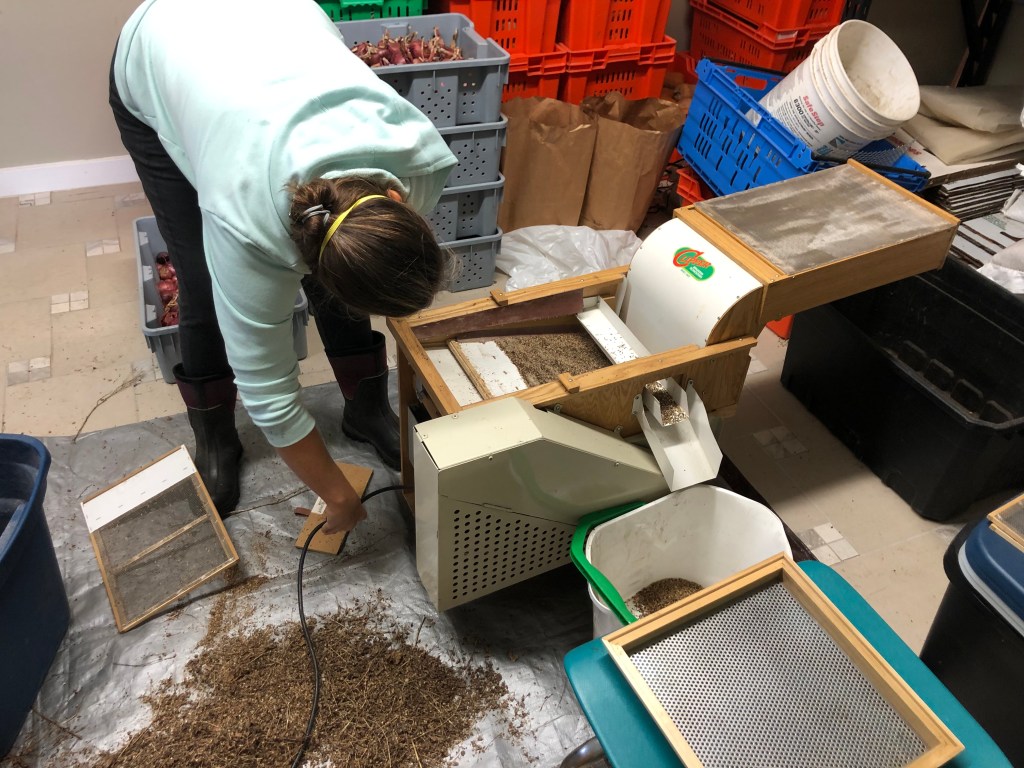
- Additional Wet and Dry Seed Extraction Tips (homemade tools and secondary seed-cleaning tools)
Seed related resources:
- Open Source Seed Initiative (OSSI)
- Organic Seed Alliance and biennial conference
- Seed libraries

Week Six
- Seed Storage and Longevity
- Selling Seed Retail and Wholesale
- Types of contracts, retail seed pack considerations, germination testing, etc
- Reviewing Seed Companies (those who save their own seed and those who don’t)
- Future of Seed and Becoming a Seed Steward
- How to Make More Revenue from your Seed Crops
- Completing Final
Final Project:
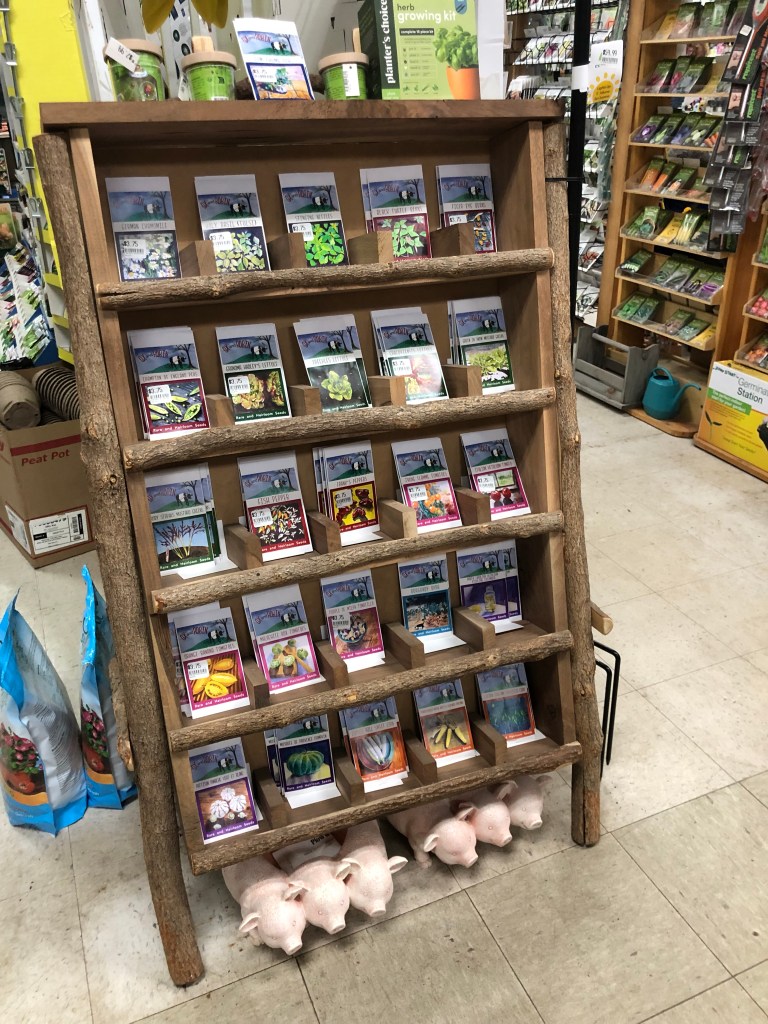
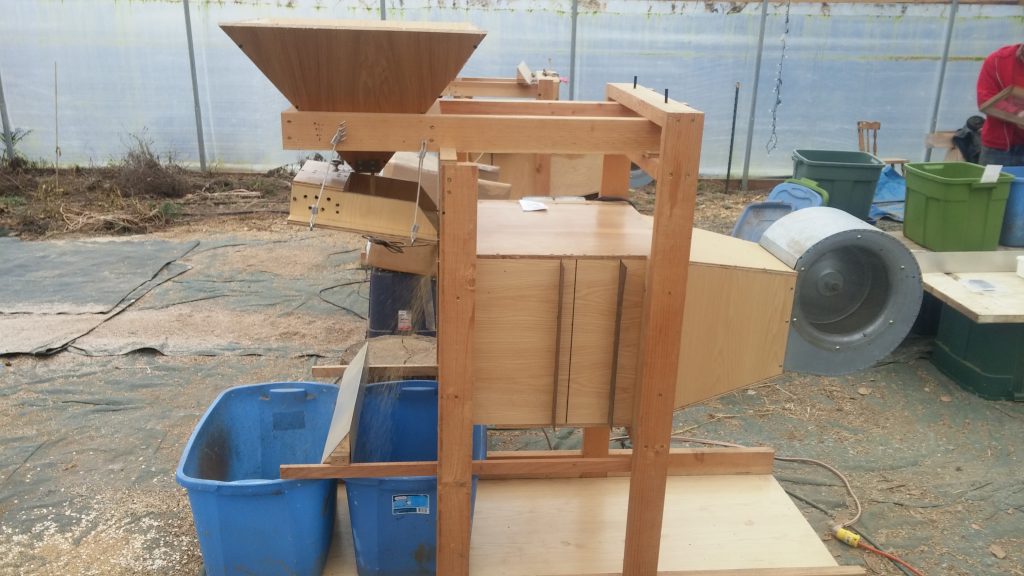
This project is an opportunity for students to take action about something related to seeds, and it is not a requirement to have access to land. Examples might include starting a seed library in your area, building seed cleaning equipment (perhaps modeled after the Winnow Wizard), creating “Seed Saving Recipe Cards” to display at a local garden center, giving a presentation on seed saving to a classroom/garden group where you live, create a seed production plan for your farm or garden, volunteering at a seed company if you live near one, interviewing a small seed company (instructor can provide contacts) regarding volunteer efforts that can be done from a distance, etc. There will be an accompanying report with photos documenting what student did/learned/who you spoke with/future actions needed/challenges faced, etc. The format of how the report is presented is up to the student (videos, PowerPoint, written out, etc).

Student Learning Objectives:
- Evaluate the necessary steps to grow, clean and sell seed crops (primarily vegetables and flowers)
- Acknowledge the importance of saving seed and how this act of self-reliance is especially critical given the global corporate consolidation of seed
- Obtain ways that seed production can be successfully woven into a vegetable or flower operation (timing and field locations of seed crops for example)
- Gain knowledge of the differences between biennial and annual seed crops, required isolation distances to reduce cross pollination and population size requirements
- Understand what organic plant breeding is, why it’s critical for organic farming systems and how a grower can work plant breeding into their farm operation
- Know the steps to clean wet and dry seeded crops and the plethora of recommended processing equipment and tools
- Analyze whether selling seed (wholesale or retail) fits into their farm, garden or life plans based on the details covered in the course
- Obtain a much deeper appreciation of and understanding behind the packet of seed that previously didn’t elicit much questioning

Course Structure:
At the beginning of every week students will be provided with a list of required reading for the week. There will be Discussion Questions which students will post responses to in the discussion forum section of Canvas. These responses are due by 7pm every Thursday. To receive full Discussion credit each week, students are also required to comment on at least on peer’s post by 7pm on Sunday. Homework questions are due by 7pm every Sunday. The Final Project will be based on the student’s seed related interests, future goals and past experiences.
Grading:
- Discussions (includes responding to at least 1 peer’s post each week): 40%
- Weekly Homework Assignments: 40%
- Final Project: 20%
“Whatever happens to seed affects the web of life.”
—Vandana Shiva
 Stockbridge Online