
STOCKSCH 200 – 3 credits
Dr. Mandy Bayer – abayer10@umass.edu
Course Description: The basic principles and techniques for propagating plants by both sexual and asexual means, including seeds, cuttings, bulbs, and tissue culture. The hormonal and physiological factors affecting rooting, seed dormancy, grafting, budding, and layering.
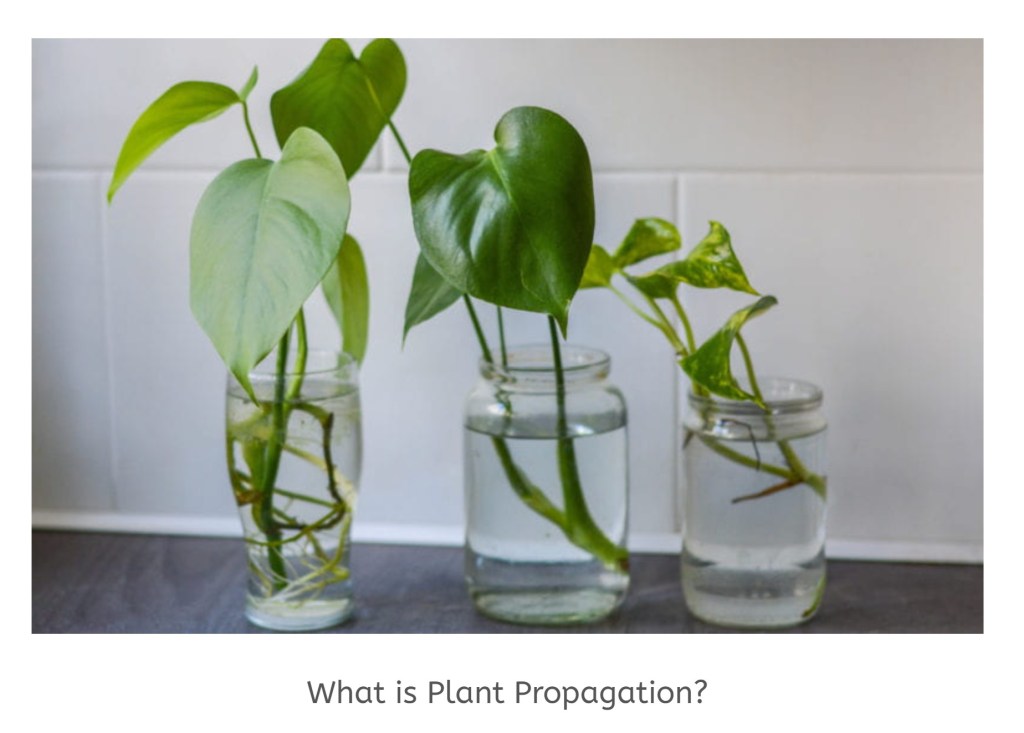
Learning Objectives
- After successfully completing this course students will be able to:
- Develop skills for using common asexual and sexual propagation techniques.
- Manipulate the propagation environment to promote the successful propagation of plants.
- Understand the basic scientific principles of sexual and asexual plant propagation.
- Select appropriate propagation methods for different types of plants to propagation them successfully.
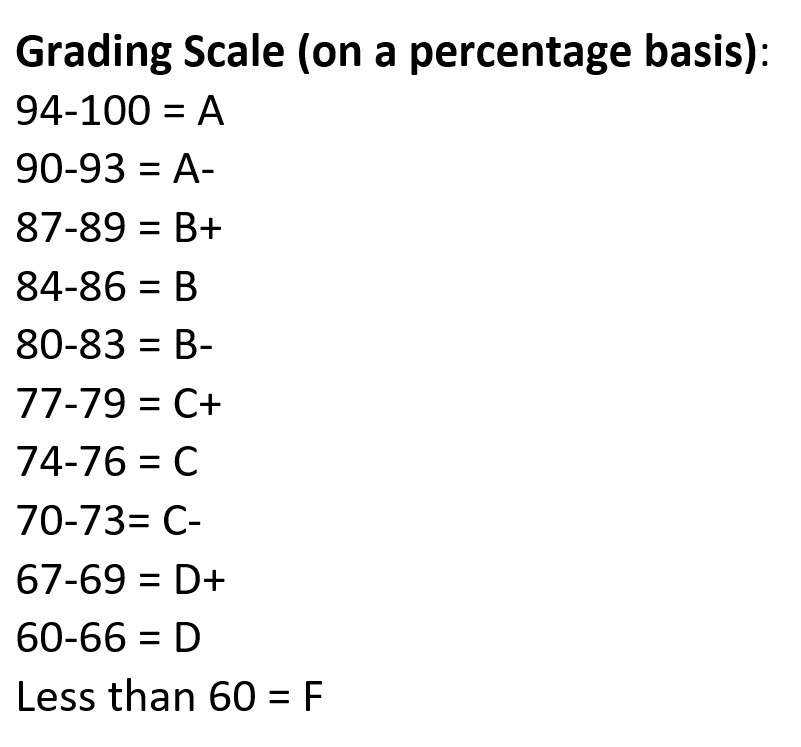
Grading:
Exam 1 = %
Exam 2 = %
Final Exam = %
Assignments and quizzes = %
Lab reports and attendance = %

| UMass Amherst Academic Regulations and Class Attendance | All undergraduate students are responsible for complying with the academic regulations at the following link: https://www.umass.edu/registrar/students/policies-and-practices/academic-regulations The UMass Amherst policy on class attendance is: “Students are expected to attend all regularly scheduled classes at the University for which they are registered. Students absent due to extenuating circumstances-including jury duty, military obligations, scheduled activities for other classes, the death of a family member, or verifiable health-related incapacity-remain responsible for meeting all class requirements and contacting the faculty member in a timely fashion about making up missed work. Faculty shall offer such students reasonable assistance in making up missed classes.” Please notify me as soon as possible, or at least one week ahead of time for a planned university excused absence. You can notify me of emergency absences via email, or of an extended absence by contacting the Dean of Students office, who will then email all of your instructors. Makeup exams or labs will be scheduled as feasible for all parties; please notify me within a week of your return to normal activities. |
| Accommodation | The University of Massachusetts Amherst is committed to providing an equal educational opportunity for all students. If you have a documented physical, psychological, or learning disability on file with Disability Services (DS), you may be eligible for reasonable academic accommodations to help you succeed in this course. If you have a documented disability that requires an accommodation, please notify me within the first two weeks of the semester so that we may make appropriate arrangements. For further information, please visit Disability Services (https://www.umass.edu/disability/) |
| Academic Honesty | Since the integrity of the academic enterprise of any institution of higher education requires honesty in scholarship and research, academic honesty is required of all students at the University of Massachusetts Amherst. Academic dishonesty is prohibited in all programs of the University. Academic dishonesty includes but is not limited to: cheating, fabrication, plagiarism, and facilitating dishonesty. Appropriate sanctions may be imposed on any student who has committed an act of academic dishonesty. Instructors should take reasonable steps to address academic misconduct. Any person who has reason to believe that a student has committed academic dishonesty should bring such information to the attention of the appropriate course instructor as soon as possible. Instances of academic dishonesty not related to a specific course should be brought to the attention of the appropriate department Head or Chair. Since students are expected to be familiar with this policy and the commonly accepted standards of academic integrity, ignorance of such standards is not normally sufficient evidence of lack of intent. (http://www.umass.edu/dean_students/codeofconduct/acadhonesty/). Having another entity, whether human, or artificial intelligence such as ChatGPT, complete an assignment or take an exam for you is a violation of the UMass Amherst academic honesty policy, unless explicitly permitted by the instructor of a specific course. The instructor can limit and specify the context in which another entity can be used. |
| Ownership of course material | Many of the materials created for this course are the intellectual property of the instructor. This includes, but is not limited to, the syllabus, lectures, problem sets, exams, study guides, and course notes. Except to the extent not protected by copyright law, any use, distribution or sale of such materials requires the written permission of the instructor. Please be aware that it is a violation of university policy to reproduce, for distribution or sale, course material including the syllabus, lectures, problem sets, exams, study guides, and course notes. Students are not permitted to post, publish or sell course materials (such as powerpoints, review sheets, exam questions and lab handouts) in any form to any entity during and after completion of the course. |
| Title IX | In accordance with Title IX of the Education Amendments of 1972 that prohibits gender-based discrimination in educational settings that receive federal funds, the University of Massachusetts Amherst is committed to providing a safe learning environment for all students, free from all forms of discrimination, including sexual assault, sexual harassment, domestic violence, dating violence, stalking, and retaliation. This includes interactions in person or online through digital platforms and social media. Title IX also protects against discrimination on the basis of pregnancy, childbirth, false pregnancy, miscarriage, abortion, or related conditions, including recovery. There are resources here on campus to support you. A summary of the available Title IX resources (confidential and non-confidential) can be found at the following link: https://www.umass.edu/titleix/resources. You do not need to make a formal report to access them. If you need immediate support, you are not alone. Free and confidential support is available 24/7/365 SASA Hotline 413-545-0800. Sexual assault, abuse, and harassment survivor’s bill of rights https://www.umass.edu/titleix/survivors-bill-of-rights Center for Women and Community https://www.umass.edu/cwc/ 24/7 Sexual Assault Support and Advocacy Hotline (413) 545-0800 |
| Wellness | As a student, you may experience a range of challenges that can interfere with learning, such as strained relationships, increased anxiety, substance use, feeling down, difficulty concentrating, and/or lack of motivation. These mental health concerns or stressful events may diminish your academic performance and/or reduce your ability to participate in daily activities. UMass Amherst services are available, and treatment does work. The Center for Counseling and Psychological Health (CCPH) offers a community of care to UMass Amherst students to help cope with stress or anxiety, find strategies to overcome challenges, promote mental wellbeing, and succeed in college life and beyond. https://www.umass.edu/counseling/ |
 Stockbridge Online