
STOCKSCH 120
4 credits – BS GenEd
Summer II: July 8 – August 16, 2024
Instructor: Sarah Berquist, she/her/hers
Contact Information: sbberqui@umass.edu
Office Hours: Email me to make an appointment via Phone or Zoom!
Course Overview:
This course provides an integrated approach to understanding the science and practical aspects of organic gardening; layering wisdom and experience from contemporary organic growers, we will explore the intersection of science and practice relevant to beginners and experienced growers.
Through lecturettes, quizzes, case studies, weekly discussions, and peer review, students will immerse in both science and methods in organic agriculture. Interviews, audio podcast-style interviews, and resource libraries will further layer practical narratives from growers and soil scientists to foundations of organic gardening.
By the end of this course, you will be able to:
- Articulate fundamental components and procedures of organic certification
- Analyze 3-5 ecological approaches to practicing organic agriculture (examples include: no-till, biointensive, biodynamic, silvopasture/forest gardening) and their relationship to climate change
- Identify foundations of plant nutrient and soil science and their applications in designing and implementing organic gardens
- Articulate and compare features and practices of organic gardening gleaned from case studies of gardens and farms across the country
- Assess and compare methods of pest management across various methods of organic agriculture
- Propose garden plans that layer understanding of plant, soil, and pest management with approaches of organic gardening of the student’s choice
Course Outline:
Week 1 Introduction: An overview of the history, vocabulary, certification processes, & introduction to organic gardening & climate change
- What is “Organic”?
- Discerning “Organic” vs. “Organically Grown”
- Certification processes & protocols
- Important agencies and organizations in certification
- Examples of organic gardening in action
- Organic gardening & climate change
Due: Pre-course assessment, Introductory Discussions + Discussion #1
Week 2 Healthy soil & plant nutrients overview
- Compost & balancing nutrition in the soil
- Microorganisms: bacteria, fungi & nematodes
- Reading soil tests
- A case study in soil: NOFA
- University Extension resources
Due: Quiz #1, Discussion #2
Week 3 Approaches and practices in organic gardening #1
- Companion planting
- Mulching
- No-till methods
- Biointensive planting
- Biodynamic growing
- Silvopasture and animals in the garden
Due: Week #3 Discussion, Mid-session Evaluation (form + slides)
Week 4 Ecological approaches to weed, disease, & pest management
- Garden-scale integrated pest management
- Pesticide use in organic gardening
- Holistic pest management
- Identifying and managing weeds
Due: Case Study Paper and Week #4 Discussion
Week 5 Vegetables, Small Fruit & Seed: choose a track
- Vegetable Production
- Small Fruit Production
- Seed Production
Due: Week #5 Discussion (Creative Garden Plan Exercise), Case Study Peer Feedback, Quiz #2
Week 6: Planning your organic garden, organic gardening around the globe, & food systems overview
- Choose an approach and using the templates provided, apply previous units to design an ecological organic garden
- Limitations and considerations in various climates
- Overview of impact/role of gardening in food systems
Due: Final Garden Plans Project, Week #6 Discussion, Final Evaluations
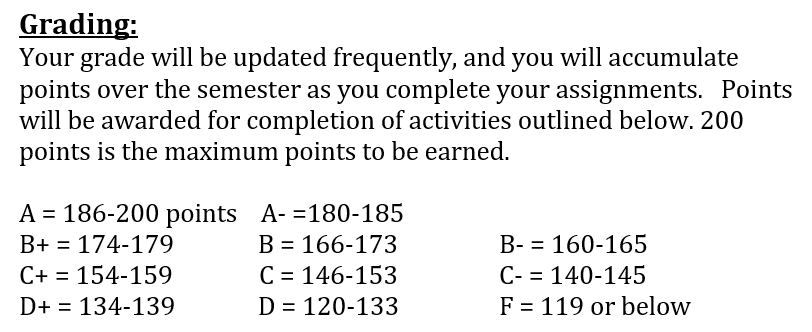

Textbook: No textbook is required for this course. All readings and course media available on Canvas.
DUE DATES: Discussion posts and papers/projects are generally due by 11:59pm EST on Sundays, Peer response posts are due by 11:59pm Tuesdays.
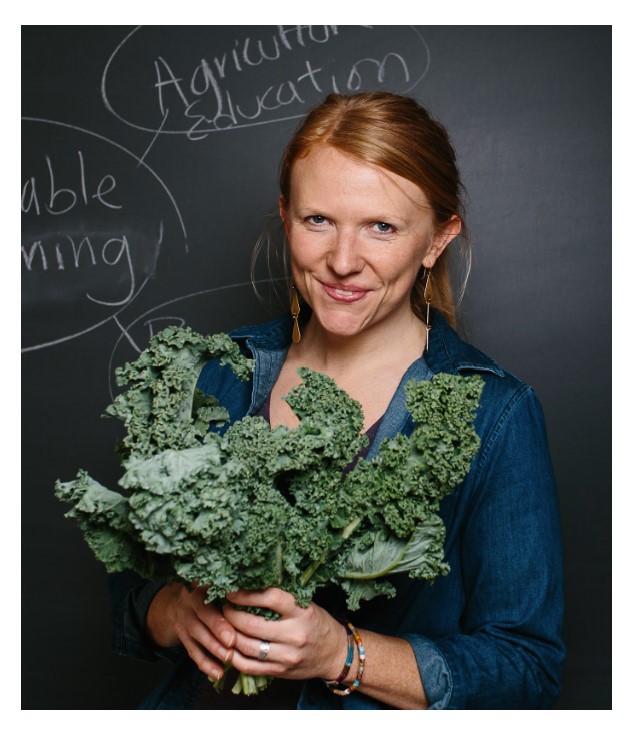
About the Instructor:
I have been engaged in sustainable agriculture and food systems work for the last 15+ years. I currently teach and advise in the Sustainable Food & Farming campus program at UMass. I love gardening in various forms, and have most experience with vegetables, flowers, and seeds.
My approach to teaching is student-centered, participatory, emergent, inclusive, and experiential. I love to create and hold spaces, both on campus and online, where learning flows in all directions, and am truly grateful for all that I learn with and from my students.
Beyond my work at UMass: I run a small floral production and design side hustle, and also love practicing dance and swimming. Excited to work with you this semester!
This class is part of the Sustainable Food and Farming Online Certificate Program and will count toward the Associate of Science degree as well as the Online B.S. degree.
 Stockbridge Online