
Building a Backyard Homestead
STOCKSCH 119 – 3 credits
Offered in Fall (14 weeks) and Winter (6 weeks)
No textbook required for this class
Instructor: Renee Ciulla Contact: rciulla@umass.edu
 Course Overview and Student Objectives: Do you dream of being more self-sufficient, either on your own property or simply acquiring the skills? Have you fantasized about growing your own food, constructing a root cellar, raising animals, foraging for wild edibles and living off-the-grid? This course explores practical home-scale food production techniques, covering kitchen essentials, season extension and food preservation techniques, carpentry skills, tool use and maintenance, as well as activities like sewing, smoking meat, fermentation and making soap and candles. Soil fertility, mini orchards, mushroom foraging, farm energy and water management, greenhouse construction and vegetable growing techniques are included. By the end of this course, students should feel motivated and confident with the knowledge necessary to live a healthy, fulfilling and sustainable lifestyle on their own homestead.
Course Structure: At the beginning of every week students will be provided with a summary list of all the work to be completed during each respective week of class. There will also be Discussion Questions which students will post responses to in the “Discussion forum” section of Blackboard. These responses are due by midnight on the Thursday of that module’s week. To receive full Discussion credit for the week, students are also required to comment on at least on peer’s post by Sunday at midnight. Required Readings are also listed with weekly required Homework questions that are due by Sunday at midnight. The Final Project will be created from the vast array of topics covered throughout the semester and determined by the student’s personal interests. It can be hands-on such as building a cold frame, or a research paper.

Grading:
- Participation/Discussions (includes responding to at least 1 peer’s post each week): 40%
- Weekly Homework Assignments: 40%
- Final Project or Paper: 20%
No Required Textbook
Due Date policy: If a homework assignment is submitted late, there are 5 points deducted per day late. No credit is awarded for late Discussion posts since the conversations have moved on to the current week.
Outline of Content
Week One
- Homesteading Then and Now
- Homesteading 101
- Tips for being frugal, organized and goal oriented
- State and Municipal regulations
- Building Project Ideas
- Property Design & Plan
- Students set measurable goals for their own home food production systems, including an assessment of caloric needs, potential crop yields, budget considerations and designing a garden system that closely meets these needs.
Week Two
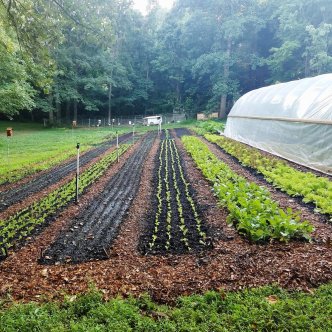
- Food Production Basics
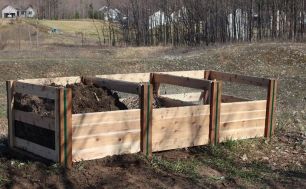
- Preparing soil and understanding compost, manure & fertilizer use
- Weed ID and weeding technique
- Natural pest and disease control
- No-till gardening
- Vegetable production
- Companion Planting, Container Gardening & Raised Beds
- Planning ahead for orchards, vineyards and berries
Week Three
- Natural building materials, costs, efficiency and designs
- Tiny House construction
- Root cellar building and basics
- Woodworking
- Carpentry
- Milling Lumber
- Woodshop Essentials
- Building a Raised Bed
- Building a Cold Frame
- Fencing, Barns & Sheds
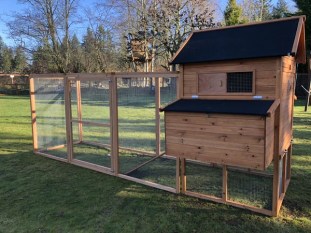
- Building Barns, Chicken Coops, Greenhouses & Outbuildings
- Fencing Options
Week Four
- Woodstove Purchasing
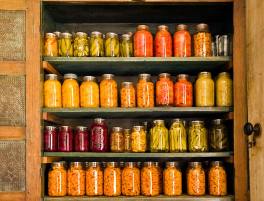
- Food Storage Solutions
- Kitchen Skills
- Baking Bread and Capturing Wild Yeast
- Brick Ovens/Clay Ovens/Outdoor ovens
- Canning (including waterbath canning)
- Cast Iron Cooking (and maintaining cast iron pan)
- Cheese, Butter & Yogurt Making & Raw Milk Products
- Fermented foods and health benefits
- Cooking on Woodstove
- Rendering tallow and lard
- Dehydrating, Freezing & Sprouting
- Milling Grains
- Solar Cooking and Drying
- Water Purification
Week Five
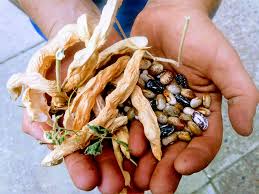
- Importance of Seed
- Seed saving
- Why save seed?
- Heirloom varieties
- Crop-by-crop guide for seed production/saving
- Hand-pollinating corn and squash
- Seed storage
- Organic Plant Breeding
Week Six
- Season Extension
- Greenhouse Design, Construction & Production
- Growing Specific Crops within High Tunnels
- Winter Greenhouse Production
- Vegetable Transplant Production
Week Seven
- Livestock (feeding, housing, care)
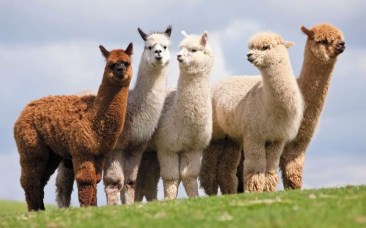
- Alpaca and Llama
- Dairy Cows
- Draft Animals
- Goats and Sheep
- Rabbits
- Poultry
- Cattle
- Pigs
- Blacksmith, Horseshoes and Farrier Work
Week Eight
- Wild edibles and foraging
- Medicinal Herbs
- Mushroom Identification
- Inoculating and maintaining shiitake mushroom logs
- Brewing beer, making wine and apple cider
- Smoking fish and meat
- Soap & candle making
- Fiber arts and sewing basics
- Crocheting, Knitting, Quilting & Rug weaving
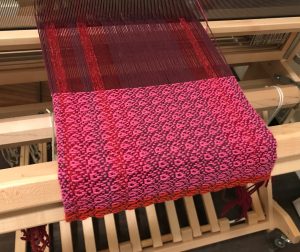
- Spinning & Weaving
Week Nine
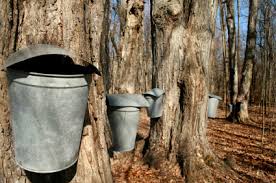
- Maple Sugaring
- Tree ID
- Tapping Guidelines
- Sap Collection, Boiling, Finishing and Handling
- Equipment and Supplies
- Managing a Woodlot and Tree/forest pest ID
- Starting and managing a mini Christmas tree operation
Week Ten
- Hydro/aquaponic gardening
- Water Supply
- Cisterns and Rain barrels
- Irrigation Basics (drip, overhead)
- Ponds
- Rain Barrels
- Wells
Week Eleven
- Farm First Aid & Simple Veterinary Skills
- Farm Machinery & Safety
- Tractors (types, uses, safety)
- ATVs & Bobcats
- Chainsaws and sharpening
- Hand tools
- Snow blowers
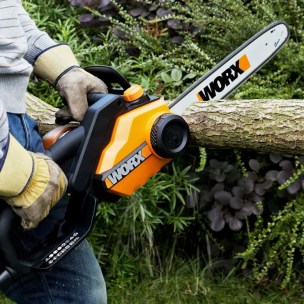
Week Twelve
- Growing Oilseeds, Pulses and Grains
- Basic Grain Recipes, Milling and Storage
- Growing Perennial Nut Trees
- Beekeeping
- Hive construction
- Establishing a hive
- Working with bees
- Diseases and parasites
- Honey extraction
- Winterizing a hive
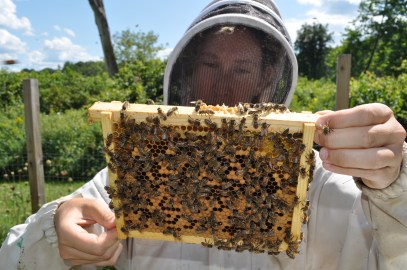
Week Thirteen
-
- Sustainable Energy Use
- House and greenhouse orientations
- Off the Grid Solutions and Challenges
- Solar Panel Installation
- Wind Turbine Installation
- Wind Mills
- Finding the Dream Homestead/Land
- Building Community
- Organizing events and seasonal celebrations
- SARE Grants
- Therapy Farming
- Sustainable Energy Use
Week Fourteen
- Final Hands-On Project or Research Paper
Students will choose ONE of the following:
- Hands-on project related to the topics covered in class, accompanied with a write-up documenting steps of project with pictures, as well as short report related to topic (with at least two academic references). Examples include: building raised bed, making sourdough and homemade bread, vermicomposting, building cold frame, starting microgreens, making yogurt/cheese, trial comparing two growing mediums or mulches, etc.
- OR
- Write a research paper on a topic of choice based on material covered over the semester.
——————————————————————————————————–
This class fulfills requirements for all three of the online programs offered by the University of Massachusetts Stockbridge School of Agriculture in Sustainable Food and Farming:
All online classes cost $472/credit.
More Online Classes
 Stockbridge Online
Hi I would only like to take a few classes can I do that…thanks Tina
LikeLike
Hi Tina, Yes you can take as many or few classes as you like! Please email me with any questions: rciulla@umass.edu
LikeLike
How do I sign up for this class? I’m not a student.
LikeLike