
STOCKSCH 387 (3 credits)
ENROLL HERE
Instructor: Renee Ciulla Email: rciulla@umass.edu
Course Overview and Objectives: Where are the diverse foods of the world grown? How are these crops processed? What does the vast network of food distribution look like and how do local food systems nest inside this complex global system? Concerns about food shortages, energy use, land use, climate change and biodiversity have created an urgent need for interdisciplinary researchers, policy-makers and citizens engaged in agriculture.
 This course covers social aspects of the agri-food systems as well as the political economy of food, agriculture and sustainability. Students are also encouraged to examine the cultural, ecological and economic implications of the ways food is perceived, produced and consumed. From rural development to the controversy of GMOs, from land conservation to the politics of globalization, from local food systems to global food justice, students use interdisciplinary perspectives to comprehend, analyze and visualize improved global and local food systems.
As a final project, the food system challenges and opportunities presented throughout the course provide student’s with kindling for a self-designed research paper OR action item (details on both are below in Week 13).

Course Structure:
At the beginning of every week students will be provided with an assortment of reading and video materials to review. There will be Discussion Questions which students will post responses to in the Discussion forum, as well as weekly Homework questions. The Final will be either an academic research paper or an Action Item, related to the vast array of topic covered throughout the semester and determined by student’s personal interests.

Grading:
- Discussion Assignments: 40%
- Homework Assignments: 40%
- Final Project: 20%
Outline of Content
Week One Globalized vs Local Food Systems, COVID-19 and Corporate Consolidation
- History of Food and Agriculture
- Sustainable vs Conventional Ag
- Globalized Industrial Food Systems & COVID-19
- Consolidation in the Food & Seed Industries
Week Two American Food Production, Trade and The Farm Bill
- Overview of US crops (produce, grain, peanuts, etc)
- Dairy and Beef Production in USA
- Overview of U.S. Agricultural Trade
- The Farm Bill and Commodity Policy
- Regulation of the U.S. Food Processing Sector
- Grocery Distribution Network in USA
Week Three Global Food Production (Fisheries, Grain, Water Use…)
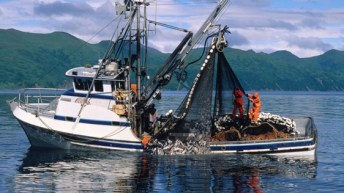
- Overview of Worldwide Food Production (what is produced where and why)
- Commodity Crops (sugar beets, corn, soybeans, rice)
- Water footprint of various crops and countries
- World fertilizer trends
- Global Fisheries
- Global Grain
Week Four Global and American Dairy and Animal Production
Global Dairy Production
- History of Milk
- US Dairy Exports
- Milk markets and trade
- Status and Trends
- Raw Milk Laws by States
Food Animal Production
- Fodder, antibiotics, energy inputs, slaughter, transport, global risks, greenhouse gas emissions
- The film, Out to Pasture: The Future of Farming?
- Water footprint of farm animal products
Week Five Food Processing/Distribution/Transport, Palm Oil and Trade Ports

- The global food processing industry
- Palm oil, palm plantations, processing mills and sustainability issues
- Supply Chains and Distribution Infrastructure
- American food processing (FDAs regulatory info)
- World Trade Ports
Week Six Food Policy, Farm Subsidies & Free Trade Agreements
- American Food Policy
- Overview, Farm Bill and associated readings
- Subsidies
- Influence of corporations/agribusiness on food policy
- International Food Policy
- International free trade agreements (Canada, EU, Australia, NAFTA and WTO)
Week Seven Food Justice, GMOs & Nanotechnology
- Food Justice, Ethical Production and Distribution: Insight into how to improve environmental quality, nutrition and farmers’ incomes through sustainable agricultural practices in developing countries
- GMOs and Ethics
- Biotech crops and superweeds
- Nanotechnology in Food
Week Eight Food Safety and Labor in the Global Food System

- Labor and the Global Food System
- Several examples with various crops
- Slave labor in the USA
- Food Safety
- Foodborne pathogens, chemical contaminants in food, etc
- FSMA, laws, regulations, global partnerships, etc
Week Nine Urban Farming, Vertical Farming & Hydroponics
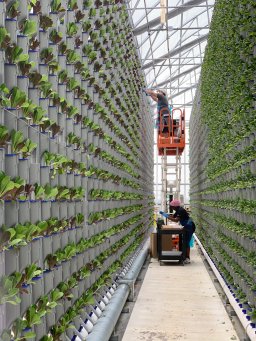
- Vertical farming and hydroponics
- Examples of successful urban and vertical farms around the world
- Top cities leading the way with urban ag ordinances
- Pros and cons of vertical and automated growing
- Spatial inequality
- Community gardening
- USDA’s NRCS People’s Garden Program
Week Ten Food Culture, Food Marketing/Labeling and Food Fraud
- Eating habits/cultures around the world
- Role of Slow Food
- Food Expenditures by Country
- Dietary Guidelines
- Food Marketing and Labeling
- Food Fraud and examples (honey, oil, fish, wine, fruit juices, tomato sauce, etc)
Week Eleven Climate Change & Food Production, Global Food Shortages (historic & current)
- Population Growth and the Food Crisis (causes)
- Hunger in America
- Recent and historic food shortages
- Water availability for global food production
- Phosphorus and Food
- Climate Change and Food Security
- Effects on crop pollination
- Risks to food supply (examples)
Week Twelve Imagining Sustainable Food Systems
- Conceptualizing and creating sustainable food systems
- Food sheds, food hubs and food cooperatives
- Farm to School movement
- Case studies of sustainable local food systems and institutions creating change (statewide food system plans are included)
- Importance of land conservation efforts: agroforestry, conservation easements, land trusts, USDA Rural Development Programs
Week Thirteen Begin work on the Final
Choose either Research Paper OR Action Item with Report. Please note that during Week 10 students will be submitting their topic of choice as part of homework, and instructor will provide feedback and suggestions.
Final Research Paper – Please choose a topic covered over the course of the semester and complete an 8 page research paper (double-spaced, font-size 12 point) with at least 12 sources (not all web-based but also several academic, peer-reviewed articles). All references must be listed in a Works Cited and properly cited throughout the paper. Topics must be approved in advance by instructor. Please submit either a PDF or a Word document in the appropriate space in Blackboard.
Action – Students who feel passionate about being more hands-on and taking ACTION on something related to food systems in their community can choose this option. Please note that this is worth 20% of your grade, so it should be somewhat substantial. Also, there will need to be an accompanying report with photos documenting what you did/learned/who you spoke with/future actions needed/challenges faced, etc. The format of how the report is presented is up to the student (videos, Power Point, written out, etc).
Examples could include:
Begin the process of starting a seed bank at a local library. Work with local farms in order to glean extra or “seconds” produce this coming season and donate it. Volunteer at a food bank and learn about their needs/successes/challenges. Contact a local jail about starting a garden for the inmates. Create a community garden. Complete a foodshed / food mileage project on town of student choice (consider the systems in place to support supermarkets/grocery wholesalers/food hubs to understand how community is fed). Alternatively, a more focused approach analyzing one food item such as fish could be done. Conduct an educational event or make pamphlets to hand out related to food fraud/marketing tactics/food labeling, etc. Contact a local food hub or food cooperative ask whether volunteering is possible.

—————————————————————————————————–
This class is part of the Sustainable Food and Farming Online Certificate Program and will count toward the Associate of Science degree as well as the Online B.S. degree. Online classes cost $555/credit.
To begin planning for the future, see….
Annual Class Schedule
NOTE: The UMass Sustainable Food and Farming Certificate has been declared eligible for Veterans Educational Benefits. For instructions see: Veterans Benefits.
If you are not interested in earning college credit, there are many non-credited workshops and short courses you can take outside of the university. For a list see: non-university workshops and courses.
 Stockbridge Online